Understanding the concepts of rehabilitation and recovery is crucial for anyone navigating the complex landscape of addiction treatment. While these terms are often used interchangeably, they represent distinct phases in the journey toward overcoming substance use disorders. Rehabilitation typically refers to the structured programs designed to help individuals detoxify and learn coping strategies to manage their addiction. This phase often includes medical supervision, therapy sessions, and support groups, all aimed at addressing the immediate challenges posed by addiction. On the other hand, recovery is a broader, more holistic process that extends beyond the confines of formal treatment.
It encompasses not only the cessation of substance use but also the ongoing journey of personal growth and emotional healing. Recovery involves developing a new lifestyle that promotes mental, physical, and spiritual well-being. It is about building resilience against triggers and stressors that could lead to relapse, making it a lifelong commitment rather than a finite goal. The significance of distinguishing between rehabilitation and recovery cannot be overstated. Many individuals enter rehab with the hope of achieving sobriety, but true recovery requires a deeper understanding of oneself and the factors that contribute to addiction.
This includes addressing underlying mental health issues, improving relationships, and fostering a sense of purpose in life. As we delve deeper into this topic, we will explore how these two concepts interrelate and why both are essential for lasting change.
Defining Rehabilitation
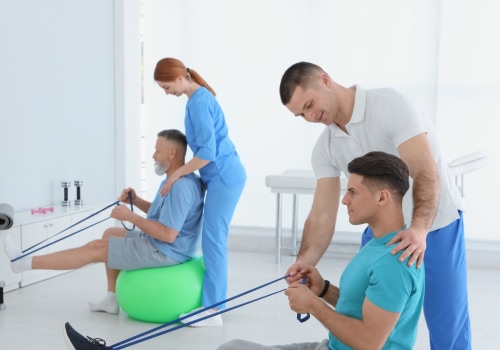
Rehabilitation, often referred to as rehab, is a multifaceted process designed to help individuals recover from various forms of addiction, injury, or illness. The primary goal of rehabilitation is to restore a person’s ability to function effectively in their daily life, whether that involves overcoming substance use disorders, recovering from physical injuries, or addressing mental health challenges. At its core, rehabilitation encompasses a range of therapeutic interventions tailored to meet the specific needs of the individual. These interventions can include:- Medical Rehabilitation: This type focuses on restoring physical function through medical treatment and therapy.
It often involves physical therapy, occupational therapy, and speech therapy.
- Substance Abuse Rehabilitation: Commonly known as drug rehab, this form targets individuals struggling with addiction. It includes detoxification, counseling, and support groups to help individuals achieve sobriety.
- Mental Health Rehabilitation: This approach addresses psychological issues through therapy and medication management. It aims to improve emotional well-being and coping strategies.
- Vocational Rehabilitation: This type assists individuals with disabilities in gaining employment. It includes job training, skills development, and support in finding suitable job placements.
For instance, substance abuse rehabilitation may involve:
- Detoxification: A medically supervised process to safely manage withdrawal symptoms.
- Counseling: Individual or group therapy sessions that address the psychological aspects of addiction.
- Aftercare Programs: Ongoing support after initial treatment to help maintain sobriety and prevent relapse.
Understanding Recovery
Recovery is a multifaceted journey that extends far beyond the initial treatment for addiction. It encompasses a comprehensive approach to healing that addresses not only the physical aspects of substance use but also the emotional, psychological, and social dimensions of an individual's life.Understanding recovery involves recognizing its stages and the holistic nature of the process.
What is Recovery?
Recovery can be defined as a continuous process of change through which individuals improve their health and wellness, live a self-directed life, and strive to reach their full potential. It is not merely about abstaining from substance use; rather, it involves developing a new way of living that promotes overall well-being.
The Recovery Process
typically unfolds in several stages:
- Pre-contemplation: In this initial stage, individuals may not recognize their substance use as a problem. They might be unaware of the negative impact it has on their lives.
- Contemplation: Here, individuals begin to acknowledge their addiction and consider the possibility of change. This stage often involves weighing the pros and cons of continuing substance use versus seeking help.
- Preparation: At this point, individuals are ready to take action.
They may start researching treatment options or seeking support from friends, family, or professionals.
- Action: This stage involves actively engaging in rehabilitation programs or support groups. Individuals work on developing coping strategies and making lifestyle changes to support their recovery.
- Maintenance: After achieving initial sobriety, individuals focus on maintaining their recovery. This includes ongoing participation in support groups and implementing healthy habits to prevent relapse.
- Relapse: While not a stage everyone experiences, relapse can occur. It is important to view relapse as a potential part of the recovery journey rather than a failure.
Learning from setbacks can strengthen future recovery efforts.
It requires commitment, resilience, and often a willingness to seek help from others. By understanding the stages of recovery and embracing its holistic nature, individuals can navigate their path toward lasting change and fulfillment.
Key Differences Between Rehabilitation and Recovery
Understanding the key differences between rehabilitation and recovery is crucial for anyone navigating the complexities of addiction treatment. While both terms are often used interchangeably, they represent distinct phases and approaches in the journey toward sobriety.Rehabilitation
primarily refers to the structured process of treatment aimed at helping individuals overcome their substance use disorders. This phase typically involves:
- Detoxification: The initial step where the body is cleansed of substances, often under medical supervision to manage withdrawal symptoms.
- Therapeutic Programs: These can be inpatient or outpatient and include various therapies such as cognitive-behavioral therapy (CBT), group therapy, and family therapy.
- Medication-Assisted Treatment (MAT): The use of medications to help reduce cravings and withdrawal symptoms, making it easier for individuals to focus on their recovery.
It encompasses:
- Emotional Healing: Addressing underlying emotional issues that may have contributed to substance use, such as trauma or mental health disorders.
- Lifestyle Changes: Developing new habits and routines that support a sober lifestyle, including healthy eating, exercise, and social connections.
- Long-term Support: Engaging in support groups like Alcoholics Anonymous (AA) or Narcotics Anonymous (NA) to maintain accountability and connection with others in recovery.
The Role of Treatment in Rehabilitation and Recovery
In the journey of overcoming addiction, treatment plays a pivotal role in both rehabilitation and recovery.Understanding the various methods of treatment available can significantly enhance the effectiveness of the recovery process. Each treatment method is designed to address specific aspects of addiction, ensuring a comprehensive approach to healing. One of the most common forms of treatment in rehab is detoxification. This initial step is crucial as it helps individuals safely withdraw from substances while managing withdrawal symptoms. Detox can be conducted in a medical facility where healthcare professionals monitor the patient’s health, providing necessary support and medication to ease discomfort. Following detox, many individuals transition into inpatient or outpatient programs.
Inpatient programs offer a structured environment where patients reside at the treatment facility, allowing for intensive therapy and support. This setting is particularly beneficial for those with severe addictions or co-occurring mental health disorders. On the other hand, outpatient programs provide flexibility, enabling individuals to attend therapy sessions while maintaining their daily responsibilities. Another essential component of treatment is therapy. Various therapeutic approaches are utilized in rehab, including:
- Cognitive Behavioral Therapy (CBT) : This method helps individuals identify and change negative thought patterns and behaviors associated with their addiction.
- Motivational Interviewing (MI) : MI focuses on enhancing an individual’s motivation to change by exploring their ambivalence towards recovery.
- Group Therapy : Sharing experiences with peers in a supportive environment fosters connection and accountability, which can be incredibly healing.
- Family Therapy : Involving family members in the treatment process can help repair relationships and create a supportive home environment for recovery.
As individuals progress through their treatment, they develop coping strategies that are essential for maintaining sobriety long after leaving rehab. Moreover, holistic approaches such as mindfulness practices , yoga , and art therapy are increasingly being incorporated into rehabilitation programs. These methods focus on healing the mind and body, providing individuals with tools to manage stress and emotional challenges that may arise during recovery. Ultimately, the role of treatment in rehabilitation is to lay a solid foundation for lasting recovery. By utilizing a combination of traditional and innovative treatment methods, individuals can embark on a path toward not just sobriety but a fulfilling life free from addiction.
The Importance of Support Systems in Recovery
Recovery from addiction is a multifaceted journey that often requires more than just individual effort; it thrives on the strength of support systems. These systems can include family, friends, and various community resources that play a crucial role in fostering a conducive environment for healing and growth.Family Support
Family members can be a vital source of encouragement and understanding during recovery.
Their involvement can help create a stable home environment, which is essential for someone trying to overcome addiction. Open communication within the family can lead to better emotional support, allowing individuals to express their feelings and challenges without fear of judgment. This emotional safety net can significantly reduce feelings of isolation that often accompany addiction.
Peer Support Groups
In addition to family, peer support groups such as Alcoholics Anonymous (AA) or Narcotics Anonymous (NA) provide a platform for individuals to connect with others who have faced similar struggles. These groups offer a sense of community and belonging, which is often missing in the lives of those battling addiction.
Sharing experiences in a non-judgmental setting can foster accountability and motivation, making it easier for individuals to stay committed to their recovery goals.
The Role of Community
A supportive community can also enhance recovery efforts. Local organizations, rehabilitation centers, and even online forums can provide resources and connections that are invaluable during this time. Engaging with community activities not only helps individuals build new friendships but also encourages them to develop healthier habits and interests outside of substance use.
Building a Network
Creating a robust support network involves actively seeking out relationships that promote positivity and growth. This may include:
- Reconnecting with old friends who support sobriety.
- Joining clubs or groups that focus on hobbies or interests.
- Participating in volunteer work to foster a sense of purpose.
They provide not only emotional backing but also practical assistance in navigating the challenges that arise during the recovery process. By surrounding oneself with supportive individuals and communities, those in recovery can significantly enhance their chances of achieving long-term sobriety.
Challenges Faced During Rehabilitation and Recovery
Embarking on the journey of rehabilitation and recovery is often fraught with challenges that can test an individual's resolve and commitment. Understanding these obstacles is crucial for anyone considering or currently undergoing treatment for substance use disorders. One of the most significant challenges faced during rehabilitation is emotional turmoil. Many individuals experience intense feelings of guilt, shame, and anxiety as they confront the consequences of their addiction.This emotional baggage can hinder progress, making it essential for rehabilitation programs to incorporate therapeutic support to help individuals process these feelings. Another common obstacle is the physical withdrawal symptoms that can occur during detoxification. These symptoms can range from mild discomfort to severe pain, depending on the substance involved. Managing withdrawal effectively is critical, as it can significantly impact a person's ability to stay committed to the rehabilitation process. Social factors also play a pivotal role in the challenges faced during rehab. Individuals may struggle with social isolation , as relationships with friends and family may have been strained due to their addiction.
Rebuilding these connections is vital for long-term recovery, but it often requires time and effort. Support groups and family therapy can be beneficial in addressing these social dynamics. Once individuals transition from rehabilitation to recovery, they encounter a new set of challenges. One major hurdle is the risk of relapse. The temptation to return to old habits can be overwhelming, especially in high-stress situations or when exposed to triggers associated with past substance use.
Developing effective relapse prevention strategies is essential for maintaining sobriety.
- Identifying Triggers: Recognizing situations, people, or emotions that may lead to cravings is crucial in preventing relapse.
- Building a Support Network: Surrounding oneself with supportive friends, family, and peers who understand the recovery journey can provide encouragement and accountability.
- Practicing Coping Skills: Learning healthy coping mechanisms, such as mindfulness or stress management techniques, can help individuals navigate challenging moments without resorting to substance use.
Long-Term Recovery: What It Means and How to Achieve It
Long-term recovery is a comprehensive journey that extends well beyond the initial stages of rehabilitation. It involves a commitment to maintaining sobriety and fostering a healthier lifestyle over time. Understanding what long-term recovery entails is crucial for anyone who has faced addiction, as it lays the groundwork for sustained success and personal growth. To achieve long-term recovery, individuals must adopt a multifaceted approach that addresses various aspects of their lives.Here are some effective strategies to consider:
- Establish a Support Network: Surrounding yourself with supportive friends, family, and peers can significantly enhance your recovery journey. Consider joining support groups such as Alcoholics Anonymous (AA) or Narcotics Anonymous (NA), where you can share experiences and gain encouragement from others who understand your struggles.
- Set Realistic Goals: Setting achievable, short-term goals can help maintain motivation and provide a sense of accomplishment. These goals should be specific, measurable, and time-bound, allowing you to track your progress effectively.
- Engage in Healthy Activities: Finding new hobbies or interests can fill the void left by substance use. Activities such as exercise, art, or volunteering not only promote physical health but also enhance emotional well-being.
- Practice Mindfulness and Stress Management: Techniques such as meditation, yoga, or deep-breathing exercises can help manage stress and reduce the risk of relapse.
Incorporating these practices into your daily routine fosters resilience against triggers.
- Continue Therapy: Ongoing therapy can provide valuable tools for coping with life's challenges. Whether through individual counseling or group therapy, maintaining a connection with a mental health professional can help address underlying issues that may contribute to substance use.
- Educate Yourself: Understanding addiction and its effects on the brain can empower you to make informed decisions about your recovery. Reading books, attending workshops, or participating in educational programs can deepen your knowledge and strengthen your resolve.
- Stay Vigilant: Recognize that recovery is an ongoing process.
Be aware of potential triggers and develop strategies to cope with them effectively.
- Celebrate Milestones: Acknowledge your achievements along the way, no matter how small. Celebrating milestones reinforces positive behavior and motivates continued progress.
- Be Open to Change: Life is full of changes; being adaptable will help you navigate challenges without resorting to old habits.
Conclusion: Embracing Both Rehabilitation and Recovery for Lasting Change
In conclusion, understanding the distinction between rehabilitation and recovery is crucial for anyone navigating the complex landscape of addiction treatment. While rehabilitation serves as a structured approach to address the immediate challenges of substance use disorders, recovery represents a broader, ongoing journey toward holistic well-being. Throughout this article, we have explored how rehabilitation focuses on the formal processes involved in overcoming addiction, such as detoxification and therapy.These programs are designed to equip individuals with the tools they need to manage their addiction effectively. However, it is essential to recognize that rehabilitation is just one piece of the puzzle. Recovery, on the other hand, extends far beyond the confines of treatment facilities. It encompasses emotional, mental, physical, and spiritual health, emphasizing the importance of a supportive environment and personal growth. This multifaceted approach allows individuals to rebuild their lives in a sustainable way, fostering resilience against potential relapses. Moreover, embracing both rehabilitation and recovery can lead to lasting change.
By participating in comprehensive treatment programs that address various aspects of life, individuals can develop a deeper understanding of their vulnerabilities and strengths. This holistic perspective not only aids in preventing relapse but also enhances overall quality of life. As we move forward in our understanding of addiction and its treatment, it is vital to advocate for integrated approaches that combine effective rehabilitation strategies with ongoing support for recovery. This dual focus can empower individuals to not only overcome their addiction but also thrive in their newfound sobriety. Ultimately, recognizing that recovery is a lifelong process encourages individuals to remain committed to their journey. By fostering a culture that values both rehabilitation and recovery, we can create an environment where lasting change is not just possible but achievable for everyone affected by addiction.