The aftermath of COVID-19 has revealed a complex array of health challenges that many individuals face, collectively known as post-COVID syndrome. This condition encompasses a range of lingering symptoms that can persist long after the initial infection has resolved. While some people may experience mild effects, others find themselves grappling with debilitating issues that affect their daily lives. Understanding the multifaceted nature of post-COVID syndrome is essential for recognizing the need for targeted rehabilitation. Individuals recovering from COVID-19 often report a variety of physical, mental, and emotional challenges.
Physically, patients may experience fatigue, muscle weakness, and respiratory difficulties, which can hinder their ability to engage in everyday activities. Mentally, many report cognitive impairments often referred to as "brain fog," which can include memory issues, difficulty concentrating, and mood swings. Emotionally, the stress and trauma associated with the pandemic can lead to anxiety and depression, compounding the recovery process. Given these diverse challenges, it becomes clear why rehabilitation is crucial for those affected by post-COVID syndrome. A comprehensive rehabilitation program can address not only the physical limitations but also the psychological and emotional hurdles that patients face.
By providing tailored support and resources, rehabilitation services can help individuals regain their strength and improve their overall quality of life. As we delve deeper into the specifics of rehabilitation after COVID-19, it is vital to acknowledge the unique needs of each patient and the importance of a multidisciplinary approach to recovery.
Who Needs Rehabilitation After COVID-19?
As the world continues to grapple with the aftermath of the COVID-19 pandemic, it has become increasingly clear that a significant number of individuals may require rehabilitation services to aid in their recovery. The symptoms associated with post-COVID syndrome can vary widely, affecting different aspects of health and well-being. Understanding who needs rehabilitation after COVID-19 is crucial for ensuring that those affected receive the appropriate care.Individuals Experiencing Lingering Symptoms
- Fatigue: One of the most common complaints among COVID-19 survivors is persistent fatigue.
This debilitating symptom can hinder daily activities and significantly impact quality of life.
- Respiratory Issues: Many individuals experience ongoing respiratory problems, such as shortness of breath or reduced lung capacity. These issues may require specialized pulmonary rehabilitation to restore normal function.
- Mental Health Challenges: The psychological toll of the pandemic cannot be overlooked. Anxiety, depression, and post-traumatic stress disorder (PTSD) are prevalent among those who have battled COVID-19, necessitating mental health support and therapy.
- Muscle Weakness and Joint Pain: Prolonged bed rest or inactivity during illness can lead to muscle atrophy and joint discomfort. Rehabilitation can help regain strength and mobility.
- Cognitive Impairments: Some individuals report difficulties with memory, concentration, and cognitive processing, often referred to as "brain fog." Cognitive rehabilitation may be beneficial in these cases.
High-Risk Groups
Certain populations are more likely to require rehabilitation services after COVID-19:
- The Elderly: Older adults often face a higher risk of severe illness from COVID-19 and may experience more pronounced long-term effects.
- Individuals with Pre-existing Conditions: Those with chronic illnesses such as diabetes, heart disease, or respiratory disorders may find their conditions exacerbated by COVID-19, necessitating targeted rehabilitation efforts.
- Hospitalized Patients: Individuals who were hospitalized due to severe COVID-19 symptoms are at a greater risk for complications that require rehabilitation.
Common Symptoms Indicating the Need for Rehab
As the world continues to grapple with the aftermath of COVID-19, many individuals are experiencing a range of symptoms that may necessitate rehabilitation.Recognizing these symptoms is crucial for both patients and healthcare providers to ensure timely intervention and support. Below are some common symptoms that may indicate a need for rehabilitation following a COVID-19 infection.
- Shortness of Breath: One of the most prevalent symptoms reported by COVID-19 survivors is persistent shortness of breath. This can manifest as difficulty breathing during physical activity or even at rest. Patients may find that they tire easily or struggle to complete daily tasks without becoming winded.
- Cognitive Difficulties: Often referred to as "brain fog," cognitive difficulties can include problems with memory, concentration, and decision-making.
Individuals may experience confusion or have trouble focusing on tasks that were once simple, which can significantly impact their quality of life.
- Muscle Weakness: Many patients report a noticeable decline in muscle strength following their recovery from COVID-19. This weakness can affect mobility and daily activities, making it challenging to perform routine tasks such as climbing stairs or lifting objects.
- Fatigue: Chronic fatigue is another common symptom that can linger long after the initial infection has resolved. This overwhelming sense of tiredness can be debilitating and may not improve with rest, leading to further complications in daily functioning.
- Anxiety and Depression: The psychological impact of COVID-19 should not be overlooked. Many individuals experience heightened levels of anxiety and depression as they navigate their recovery journey. These mental health challenges can exacerbate physical symptoms and hinder rehabilitation efforts.
- Joint Pain: Some patients report experiencing joint pain or discomfort, which can limit mobility and contribute to overall physical decline.
This symptom may require targeted rehabilitation strategies to address both pain management and mobility improvement.
Types of Rehabilitation Services Available
As the world continues to grapple with the aftermath of COVID-19, many individuals are discovering that their recovery journey may require various types of rehabilitation services. These services are tailored to address the multifaceted challenges that arise from the virus, ensuring a comprehensive approach to healing.Below are some of the key rehabilitation options available for post-COVID patients:
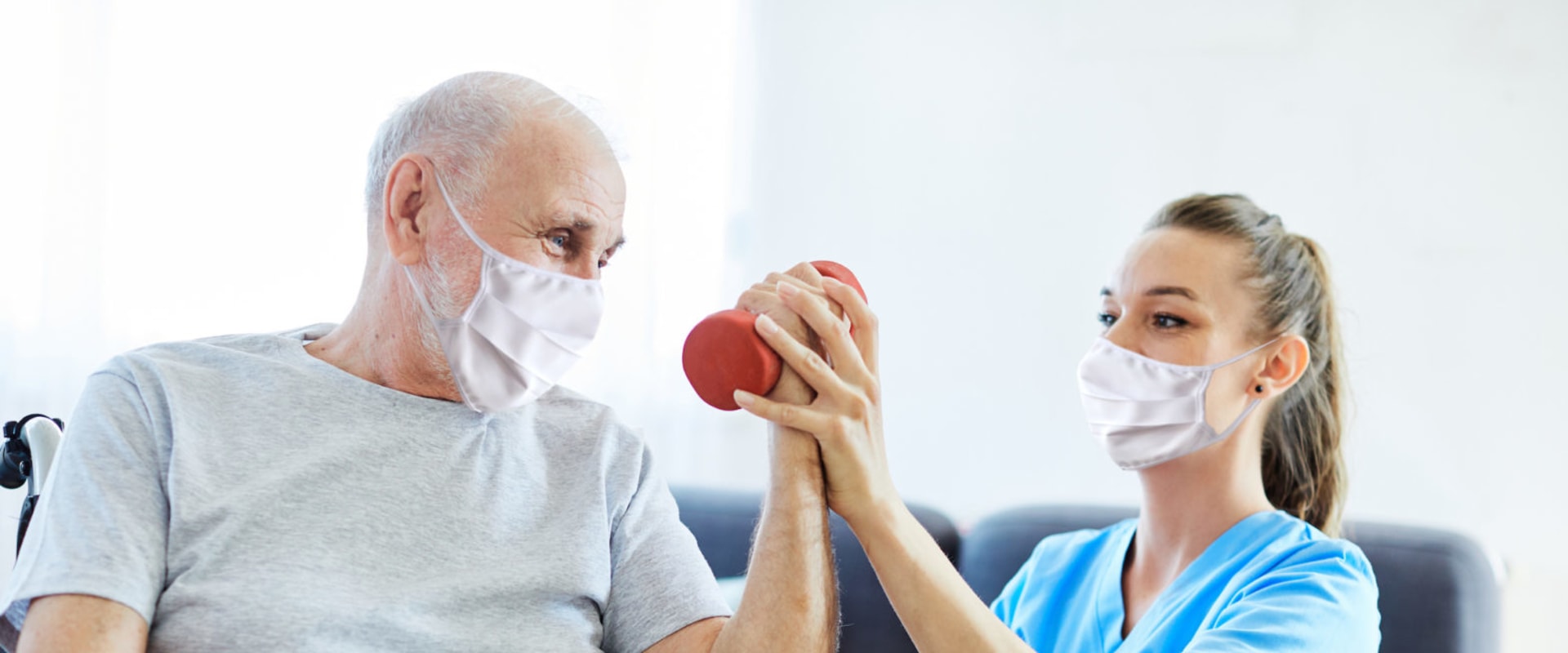
- Physical Therapy: This type of rehab focuses on restoring physical function and mobility. Patients may experience muscle weakness, joint pain, or fatigue after their COVID-19 infection. Physical therapists work with individuals to develop personalized exercise regimens that enhance strength, flexibility, and endurance. Techniques may include manual therapy, guided exercises, and education on safe movement practices.
- Occupational Therapy: For many recovering from COVID-19, daily activities can become challenging.
Occupational therapists help patients regain the skills needed for everyday tasks such as cooking, dressing, and returning to work. They assess individual needs and create strategies to improve independence and quality of life.
- Speech Therapy: Some individuals may experience difficulties with speech or swallowing after their illness. Speech-language pathologists provide targeted interventions to address these issues. They utilize exercises and techniques designed to improve communication skills and ensure safe swallowing, which is crucial for overall health.
- Mental Health Support: The psychological impact of COVID-19 can be profound.
Many patients face anxiety, depression, or post-traumatic stress disorder (PTSD) as they navigate their recovery. Mental health professionals offer counseling and therapeutic interventions to help individuals process their experiences and develop coping strategies.
How to Access Rehabilitation Services
Accessing rehabilitation services after experiencing COVID-19 can be a crucial step in the recovery process.Many individuals may not know where to start or how to navigate the healthcare system to find the right support. Here are some practical steps to help you access the rehabilitation services you need.
1.Consult Your Healthcare Provider
The first step in accessing rehabilitation services is to consult with your primary healthcare provider. They can assess your condition and determine whether rehabilitation is necessary. If you are experiencing lingering symptoms such as fatigue, shortness of breath, or cognitive difficulties, your doctor can refer you to a specialized rehabilitation program tailored for post-COVID recovery.
2.Understand Your Insurance Coverage
Before seeking rehabilitation services, it’s essential to understand your insurance coverage.
Most health insurance plans cover rehabilitation services, but the extent of coverage can vary significantly. Contact your insurance provider to inquire about:
- Types of rehabilitation services covered
- Any required referrals or pre-authorization
- Out-of-pocket costs, including copays and deductibles
3.Research Local Rehabilitation Programs
Once you have a referral from your healthcare provider and an understanding of your insurance coverage, begin researching local rehabilitation programs. Look for facilities that specialize in post-COVID recovery, as they will have the expertise and resources necessary to address your specific needs. Consider the following when evaluating programs:
- Location: Choose a facility that is easily accessible to you.
- Services Offered: Ensure the program provides comprehensive care, including physical therapy, occupational therapy, and mental health support.
- Staff Qualifications: Look for programs staffed by experienced professionals who understand the complexities of post-COVID rehabilitation.
4.Utilize Community Resources
In addition to formal rehabilitation programs, many community resources can assist with recovery.
Local health departments, non-profit organizations, and support groups may offer valuable information and services related to post-COVID rehabilitation. These resources can help connect you with additional support networks and provide guidance on navigating your recovery journey.
5.Stay Informed and Advocate for Yourself
The landscape of healthcare is continually evolving, especially in response to the COVID-19 pandemic. Stay informed about new developments in rehabilitation services and advocate for yourself throughout the process. If you feel that your needs are not being met or if you encounter barriers to accessing care, don’t hesitate to seek assistance from patient advocacy groups or legal resources.
By taking these steps, you can effectively access the rehabilitation services necessary for a successful recovery from COVID-19. Remember that recovery is a journey, and seeking help is a vital part of regaining your health and well-being.
The Role of Multidisciplinary Teams in Rehabilitation
In the context of rehabilitation for post-COVID patients, a multidisciplinary team approach is essential for effective recovery.This method involves a collaborative effort among various healthcare professionals, each bringing their unique expertise to the table. The complexity of post-COVID syndrome often requires a combination of physical, mental, and emotional support, which can only be achieved through a well-coordinated team. A typical multidisciplinary rehab team may include:
- Physiatrists: These specialists focus on physical medicine and rehabilitation, assessing the patient's overall physical condition and creating tailored exercise programs.
- Physical Therapists: They work on improving mobility, strength, and endurance through targeted exercises and rehabilitation techniques.
- Occupational Therapists: These professionals help patients regain the skills needed for daily living and work activities, focusing on functional independence.
- Speech-Language Pathologists: For those experiencing cognitive or communication difficulties post-COVID, these specialists provide therapy to improve speech and cognitive functions.
- Psychologists or Psychiatrists: Mental health professionals are crucial in addressing anxiety, depression, or PTSD that may arise after a COVID-19 infection.
- Nurses: They play a vital role in monitoring patient progress, administering medications, and providing education about self-care strategies.
These plans take into account the patient's medical history, current symptoms, and personal goals. By integrating various therapeutic modalities—such as physical therapy, psychological support, and nutritional counseling—the multidisciplinary team can address the multifaceted challenges posed by post-COVID syndrome. In conclusion, the role of multidisciplinary teams in rehabilitation is pivotal for post-COVID patients. Their collaborative efforts lead to more effective treatment outcomes and improved quality of life. As healthcare continues to evolve in response to the pandemic's aftermath, embracing this team-based approach will be crucial in ensuring comprehensive care for those recovering from COVID-19.
Challenges in Accessing Rehabilitation Services Post-COVID
The aftermath of the COVID-19 pandemic has revealed significant challenges in accessing rehabilitation services for those affected by the virus.As healthcare systems grapple with the surge in demand for rehab, various barriers have emerged that hinder patients from receiving the necessary care.
Resource Allocation Issues
One of the primary challenges is the inefficient allocation of resources. Many rehabilitation facilities were already operating at capacity before the pandemic, and the influx of post-COVID patients has strained these services even further. This has led to longer wait times for appointments and limited availability of specialized programs tailored to address the unique needs of COVID-19 survivors.
Funding Disparities
Funding disparities also play a critical role in limiting access to rehabilitation services. Many healthcare providers have faced financial difficulties during the pandemic, resulting in budget cuts and reduced staffing levels.
This has particularly impacted outpatient rehabilitation services, which are essential for ongoing recovery. Patients may find that their local facilities lack the necessary funding to provide comprehensive rehab programs, forcing them to seek care further away or forgo it altogether.
Impact on Service Availability
The pandemic has also disrupted traditional service delivery models. Many rehabilitation centers were forced to close temporarily or shift to telehealth options, which may not be suitable for all patients. Individuals with severe physical limitations or those who require hands-on therapy may struggle to adapt to virtual sessions, leading to gaps in their recovery process.
Geographical Barriers
Geographical barriers further complicate access to rehabilitation services.
In rural areas, where healthcare resources are already limited, patients may have to travel long distances to reach a facility that offers specialized rehab programs. This can be particularly challenging for those with mobility issues or those who lack reliable transportation.
Conclusion
Addressing these challenges is crucial for ensuring that individuals recovering from COVID-19 receive the rehabilitation services they need. As healthcare systems continue to adapt post-pandemic, it is essential to prioritize resource allocation, increase funding for rehab services, and explore innovative delivery methods that can bridge the gap in access.
Success Stories: Overcoming Challenges Through Rehabilitation
Rehabilitation after COVID-19 has proven to be a lifeline for many individuals grappling with the lingering effects of the virus. The stories of those who have successfully navigated their recovery journeys serve as powerful reminders of the resilience of the human spirit and the effectiveness of targeted rehabilitation services.John's Journey: From Breathlessness to Running Again
After battling severe COVID-19 symptoms, John, a 45-year-old father of two, found himself struggling with persistent breathlessness and fatigue.
Initially, he felt overwhelmed by the limitations imposed on his daily life. However, after enrolling in a comprehensive rehabilitation program, John began to see significant improvements. Through a combination of physical therapy, breathing exercises, and nutritional guidance, he gradually regained his strength.
Within months, John was not only able to return to work but also took up running again—a passion he thought he had lost forever. His story highlights how rehab can transform lives by addressing both physical and emotional challenges.
Maria's Transformation: Overcoming Mental Health Struggles
Maria, a 32-year-old teacher, experienced debilitating anxiety and depression following her COVID-19 infection.
The isolation during her illness exacerbated her mental health struggles. Seeking help, she joined a rehabilitation program that focused on mental health recovery alongside physical rehabilitation.
Through counseling sessions and group therapy, Maria learned coping strategies that helped her manage her anxiety. The support from fellow participants created a sense of community that was instrumental in her healing process. Today, Maria not only feels more like herself but is also an advocate for mental health awareness in her school.
David's Road to Recovery: Regaining Independence
At 60 years old, David faced significant mobility issues after his COVID-19 hospitalization.
With the help of a dedicated rehabilitation team, he embarked on a personalized recovery plan that included strength training and occupational therapy. David's determination and the expertise of his therapists led him to regain his independence. Now able to perform daily activities without assistance, David shares his story to inspire others facing similar challenges. He emphasizes that seeking help through rehab is not a sign of weakness but rather a courageous step towards reclaiming one’s life. These success stories illustrate the profound impact that rehabilitation can have on individuals recovering from COVID-19. They serve as a beacon of hope for those still struggling with the aftermath of the virus, encouraging them to seek out the support they need to overcome their challenges.
Frequently Asked Questions About Rehabilitation After COVID-19
As the world continues to navigate the aftermath of the COVID-19 pandemic, many individuals are left with lingering health issues that necessitate rehabilitation. Below are some frequently asked questions regarding rehabilitation after COVID-19, aimed at providing clarity and guidance for those seeking assistance.What is rehabilitation after COVID-19?
Rehabilitation after COVID-19 refers to a range of services designed to help individuals recover from the physical, mental, and emotional effects of the virus.This can include therapies for respiratory issues, physical therapy for muscle weakness, and mental health support for anxiety or depression.
Who should consider rehabilitation?
Anyone who has experienced significant symptoms during their COVID-19 infection or continues to feel unwell afterward may benefit from rehabilitation. This includes:- Individuals with persistent fatigue or weakness
- Those experiencing respiratory difficulties
- People facing cognitive challenges, such as memory loss or difficulty concentrating
- Patients dealing with emotional distress or mental health issues
How do I know if I need rehab?
If you find that your daily activities are impacted by lingering symptoms from COVID-19, it may be time to seek rehabilitation. Consulting with a healthcare provider can help determine if a tailored rehab program is appropriate for your specific needs.What types of rehabilitation services are available?
Rehabilitation services can vary widely but typically include:- Physical Therapy: Focuses on improving mobility and strength.
- Occupational Therapy: Aims to help individuals regain the ability to perform daily tasks.
- Speech Therapy: Assists those with communication or swallowing difficulties.
- Mental Health Support: Provides counseling and therapy for emotional well-being.
How can I access rehabilitation services?
You can access rehabilitation services through your primary care physician, who can refer you to specialized programs. Many hospitals and clinics now offer dedicated post-COVID recovery programs that cater specifically to the needs of recovering patients.Is rehabilitation covered by insurance?
Many insurance plans cover rehabilitation services, but coverage can vary.It’s advisable to check with your insurance provider to understand what services are included and any potential out-of-pocket costs. If you have further questions or concerns about rehabilitation after COVID-19, don’t hesitate to reach out to healthcare professionals who can provide personalized advice and support tailored to your recovery journey.
Conclusion: The Path to Recovery After COVID-19
As we conclude our exploration of rehabilitation after COVID-19, it is essential to recognize the profound impact that this virus has had on individuals and communities alike. The journey to recovery is not merely about overcoming the immediate effects of the illness; it encompasses a holistic approach to restoring physical, mental, and emotional well-being. Throughout this article, we have highlighted the significance of rehabilitation services in addressing the multifaceted challenges posed by post-COVID syndrome. Many individuals experience lingering symptoms that can severely affect their quality of life, including fatigue, respiratory issues, cognitive difficulties, and emotional distress. These symptoms necessitate a tailored rehabilitation plan that considers each person's unique circumstances and health history. Engaging with a multidisciplinary team of healthcare professionals is crucial for effective recovery.This team may include physicians, physical therapists, occupational therapists, mental health specialists, and nutritionists who work collaboratively to create a comprehensive rehabilitation strategy. Such an approach ensures that all aspects of a patient's health are addressed, promoting a more complete recovery. Moreover, it is vital for individuals recovering from COVID-19 to seek help early. Delaying rehabilitation can lead to prolonged suffering and hinder the recovery process. By accessing specialized programs like those offered at facilities such as the WMCHealth Post-COVID-19 Recovery Program, patients can benefit from expert guidance and support tailored to their specific needs. In summary, the path to recovery after COVID-19 is complex but achievable with the right resources and support.
Rehabilitation services play a pivotal role in helping individuals regain their strength and improve their overall health. As we move forward in this post-pandemic world, let us prioritize our health and well-being by embracing rehabilitation as an essential component of recovery. Ultimately, seeking rehab is not just about healing from the physical effects of COVID-19; it is about reclaiming one's life and ensuring a brighter future. Together, we can navigate this journey towards recovery and emerge stronger than before.