Rehabilitation, often referred to as rehab, is a critical process for individuals grappling with the complexities of addiction. It encompasses a range of therapeutic interventions designed to help people overcome their dependence on substances such as drugs and alcohol. The journey through rehab is not merely about abstaining from substance use; it involves a profound transformation that addresses the underlying issues contributing to addiction. This multifaceted approach is essential for fostering long-term recovery and improving overall well-being. For many, the decision to enter rehab is fraught with emotional turmoil and uncertainty.
The stigma surrounding addiction can make it difficult for individuals to seek help, often leading them to feel isolated in their struggles. However, understanding the significance of rehabilitation can empower those in need to take the first step toward recovery. Rehab provides a structured environment where individuals can focus on healing without the distractions and triggers present in their everyday lives. It offers a safe space for self-reflection, personal growth, and the development of coping strategies that are vital for maintaining sobriety. The challenges faced during rehabilitation are numerous and can vary greatly from person to person.
Many individuals must confront not only their physical dependence on substances but also the emotional and psychological scars that addiction leaves behind. This process often requires a combination of medical treatment, counseling, and support from peers who share similar experiences. By participating in group therapy sessions and individual counseling, individuals can gain insights into their behaviors and learn healthier ways to cope with stressors that may have previously led them to substance use. Ultimately, rehab serves as a beacon of hope for those struggling with addiction. It signifies a commitment to change and a willingness to embrace a new way of life.
As we delve deeper into the various aspects of rehabilitation, it becomes clear that this journey is not just about quitting substances; it is about reclaiming one’s life and building a future free from the chains of addiction.
What is Rehabilitation?
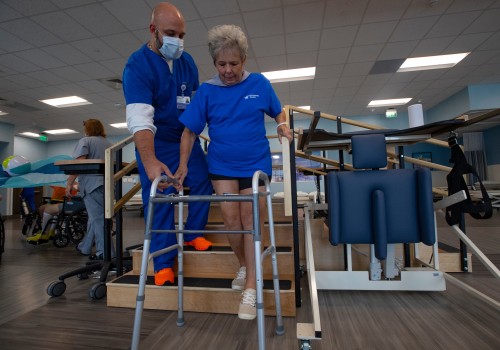
Rehabilitation, often referred to as rehab, is a multifaceted process aimed at helping individuals recover from various forms of dependency, particularly substance abuse. At its core, rehabilitation serves to restore individuals to a state of health and functionality, enabling them to reintegrate into society as productive members. The definition of rehabilitation extends beyond mere physical recovery; it encompasses a holistic approach that addresses both the physical and psychological aspects of addiction. When discussing rehab, it is essential to differentiate between the various types of rehabilitation available. While many people associate rehab primarily with addiction treatment, it also includes physical rehabilitation for those recovering from injuries or surgeries.Physical rehabilitation focuses on restoring mobility and function through exercises and therapies tailored to the individual's needs. In contrast, addiction rehabilitation zeroes in on mental health and behavioral change, aiming to address the underlying issues that contribute to substance abuse. Addiction rehabilitation typically involves several key components:
- Detoxification: The initial phase where individuals undergo medical supervision to safely eliminate substances from their system.
- Therapeutic Interventions: This includes individual therapy, group therapy, and family counseling designed to address emotional and psychological challenges.
- Support Groups: Programs such as Alcoholics Anonymous (AA) or Narcotics Anonymous (NA) provide ongoing support and community for individuals in recovery.
- Aftercare Planning: A crucial step that involves creating a plan for continued support post-rehabilitation, ensuring long-term success in sobriety.
While physical rehab focuses on bodily recovery, addiction rehab emphasizes mental health and behavioral change, making it a critical component in the fight against substance abuse.
The Importance of Rehab in Overcoming Addiction
Rehabilitation plays a pivotal role in the journey toward recovery for individuals grappling with addiction. It is not merely a temporary escape from substance use; rather, it is a comprehensive approach that addresses both the psychological and physical aspects of addiction. Understanding the importance of rehab can illuminate why it is essential for those seeking to reclaim their lives. One of the primary benefits of rehabilitation is the structured environment it provides. In rehab, individuals are removed from the triggers and stressors that often lead to substance use.This separation allows them to focus entirely on their recovery without the distractions of daily life. Within this safe space, they can begin to understand the root causes of their addiction, which is crucial for long-term recovery. Moreover, rehab offers access to professional support and guidance. Trained therapists and counselors work closely with individuals to develop personalized treatment plans that cater to their unique needs. These professionals employ various therapeutic techniques, such as cognitive-behavioral therapy (CBT) and motivational interviewing, which help individuals identify harmful thought patterns and behaviors associated with their addiction. Another significant aspect of rehabilitation is the emphasis on developing coping strategies.
Individuals learn healthier ways to manage stress, anxiety, and other emotions that may have contributed to their substance use. Through group therapy sessions and individual counseling, they can practice these new skills in a supportive environment, which fosters confidence and resilience. Additionally, rehab facilitates the creation of a robust support system. Building connections with peers who are undergoing similar struggles can be incredibly empowering. These relationships often extend beyond the walls of the rehabilitation center, providing ongoing support as individuals transition back into their daily lives. Individuals learn healthier ways to manage stress, anxiety, and other emotions that may have contributed to their substance use. Through group therapy sessions and individual counseling, they can practice these new skills in a supportive environment, which fosters confidence and resilience. Additionally, rehab facilitates the creation of a robust support system. Building connections with peers who are undergoing similar struggles can be incredibly empowering. These relationships often extend beyond the walls of the rehabilitation center, providing ongoing support as individuals transition back into their daily lives.
Support groups such as Alcoholics Anonymous (AA) or Narcotics Anonymous (NA) can be invaluable resources for continued recovery. In summary, rehabilitation is crucial for overcoming addiction due to its structured environment, professional support, focus on coping strategies, and the development of a supportive community. By engaging in a comprehensive rehab program, individuals not only address their substance use but also lay the groundwork for a healthier, more fulfilling life free from addiction.
The Process of Rehabilitation: What to Expect
Understanding the rehab process is crucial for anyone considering treatment for addiction. The journey typically unfolds in several key stages, each designed to address different aspects of recovery.1.Assessment
The first step in any rehabilitation program is a comprehensive assessment. This involves a thorough evaluation by medical professionals who will gather information about the individual's substance use history, mental health status, and any co-occurring disorders.This assessment helps to tailor a personalized treatment plan that meets the specific needs of the individual.
2.Detoxification
Following the assessment, many individuals will undergo detoxification, or detox. This stage is critical as it allows the body to rid itself of harmful substances. Detox can be uncomfortable and even dangerous, depending on the substance used and the duration of use. Medical supervision is often necessary during this phase to manage withdrawal symptoms and ensure safety.3.Therapy Options
Once detox is complete, individuals typically transition into various therapeutic options.These may include:
- Individual Therapy: One-on-one sessions with a licensed therapist to explore underlying issues related to addiction.
- Group Therapy: Participating in group sessions provides support from peers who are experiencing similar challenges.
- Family Therapy: Involving family members can help repair relationships and create a supportive home environment.
- Cognitive Behavioral Therapy (CBT): A structured approach that helps individuals identify and change negative thought patterns associated with substance use.
4.Aftercare Planning
The final stage of rehabilitation involves aftercare planning, which is essential for maintaining sobriety after leaving the rehab facility. This may include:- Continued Therapy: Ongoing counseling sessions to reinforce coping strategies.
- Support Groups: Participation in groups like Alcoholics Anonymous (AA) or Narcotics Anonymous (NA) can provide community support.
- Sober Living Arrangements: Some individuals may benefit from transitional housing that promotes a drug-free lifestyle.
Types of Rehabilitation Programs
When it comes to overcoming addiction, understanding the different types of rehabilitation programs is crucial for individuals seeking help. Each program is designed to cater to varying needs, preferences, and levels of addiction severity.Below, we explore the primary types of rehab programs available.
Inpatient Rehabilitation Programs
Inpatient rehab programs require individuals to reside at a treatment facility for the duration of their program. This type of rehabilitation is often recommended for those with severe addiction issues or co-occurring mental health disorders. The structured environment provides a safe space away from triggers and temptations, allowing individuals to focus entirely on their recovery.- 24/7 Medical Supervision: Inpatient facilities offer round-the-clock medical care, which is essential for managing withdrawal symptoms and ensuring safety during the detoxification process.
- Comprehensive Treatment: These programs typically include a combination of individual therapy, group counseling, and holistic therapies, addressing both the physical and psychological aspects of addiction.
- Supportive Community: Living with others who are also in recovery fosters a sense of camaraderie and support, which can be invaluable during the healing process.
Outpatient Rehabilitation Programs
Outpatient rehab programs allow individuals to receive treatment while continuing to live at home. This option is often suitable for those with less severe addictions or those who have completed an inpatient program and are transitioning back into daily life.- Flexibility: Outpatient programs offer more flexibility in scheduling, making it easier for individuals to maintain work or family commitments while attending therapy sessions.
- Cost-Effective: Generally, outpatient rehab is less expensive than inpatient care, making it a more accessible option for many.
- Continued Support: Many outpatient programs include ongoing support groups and counseling sessions that help individuals stay accountable and connected to their recovery journey.
Holistic Rehabilitation Options
In addition to traditional therapies, many rehabilitation centers now offer holistic approaches that focus on healing the whole person—mind, body, and spirit.These methods can complement standard treatment plans and provide additional coping strategies.
- Meditation and Mindfulness: Practices such as meditation can help individuals manage stress and anxiety, which are often triggers for substance use.
- Nutritional Therapy: A balanced diet can play a significant role in recovery by restoring physical health and improving mood.
- Art and Music Therapy: Creative therapies allow individuals to express their emotions in non-verbal ways, facilitating healing through creativity.
Challenges Faced During Rehabilitation
Rehabilitation is a transformative journey, but it is not without its challenges. Individuals seeking recovery from addiction often face a myriad of obstacles that can hinder their progress. Understanding these challenges is crucial for both those in rehab and their support systems.Emotional Struggles
One of the most significant hurdles during rehabilitation is the emotional turmoil that accompanies withdrawal and recovery.Many individuals experience feelings of guilt, shame, and anxiety as they confront the consequences of their addiction. These emotions can be overwhelming and may lead to relapse if not addressed properly.
- Guilt and Shame: Many people feel remorse for the pain their addiction has caused to themselves and their loved ones. This guilt can be paralyzing, making it difficult to move forward.
- Anxiety: The fear of failure or the unknown can create significant anxiety. Individuals may worry about how they will cope without substances or how they will be perceived by others.
Cravings and Physical Withdrawal
Physical cravings for drugs or alcohol are another major challenge faced during rehab.These cravings can be intense and may lead to relapse if not managed effectively. Understanding the nature of these cravings is essential for developing coping strategies.
- Understanding Triggers: Identifying triggers—situations, people, or emotions that provoke cravings—is vital. Keeping a journal can help individuals recognize patterns and prepare for potential challenges.
- Coping Mechanisms: Techniques such as mindfulness, deep breathing exercises, and engaging in physical activities can help manage cravings when they arise.
Social Pressures
The social environment plays a significant role in recovery. Individuals may face pressure from friends or family who do not understand their journey or who may inadvertently encourage old habits.-
Support Systems: Building a strong support network is crucial.
This includes surrounding oneself with individuals who respect the recovery process and provide encouragement.
- Avoiding Negative Influences: It may be necessary to distance oneself from people or situations that trigger the desire to use substances. This can be one of the hardest decisions but is often essential for long-term recovery.
The Role of Support Systems in Recovery
Recovery from addiction is a multifaceted journey, and one of the most critical components of this process is the presence of robust support systems. These systems can significantly influence an individual’s ability to maintain sobriety and navigate the challenges that arise during rehabilitation.Family Involvement in Recovery
Family members often play a pivotal role in the recovery process.
Their involvement can provide emotional support, accountability, and a sense of belonging that is crucial for someone struggling with addiction. When families engage in the rehabilitation process, they not only help their loved ones feel less isolated but also foster an environment conducive to healing.
- Emotional Support: Family members can offer encouragement and understanding, which are vital during difficult times. Knowing that someone cares can motivate individuals to stay committed to their recovery.
- Accountability: Having family members involved can create a sense of responsibility. Regular check-ins and open communication can help individuals stay on track with their treatment plans.
-
Education: Families who educate themselves about addiction and recovery can better understand what their loved ones are experiencing.
This knowledge can lead to more effective support strategies.
Peer Support Groups
In addition to family support, peer support groups are another essential element of recovery. These groups provide a platform for individuals to share their experiences, challenges, and successes with others who have faced similar struggles. The benefits of peer support include:
- Shared Experiences: Connecting with others who understand the journey can reduce feelings of isolation and shame. It creates a safe space for individuals to express their feelings without judgment.
- Encouragement: Hearing success stories from peers can inspire hope and motivate individuals to persevere through their own challenges.
- Accountability: Regular meetings encourage participants to remain accountable for their recovery goals, fostering a sense of commitment to the process.
By fostering these connections, individuals in rehab are more likely to develop resilience against relapse and build a fulfilling life free from addiction.
Aftercare: Continuing Support Post-Rehabilitation
After completing a rehabilitation program, the journey towards recovery does not end; in fact, it is just beginning. Aftercare plays a crucial role in ensuring that individuals maintain their sobriety and continue to build a fulfilling life free from addiction. The transition from a structured rehab environment back to everyday life can be challenging, and having a solid aftercare plan is essential for long-term success. Aftercare programs are designed to provide ongoing support and resources to individuals who have recently completed rehab. These programs can vary widely in structure and offerings, but they all share the common goal of helping individuals stay sober and avoid relapse.Here are some key components of effective aftercare:
- Support Groups: Many individuals find solace and strength in support groups such as Alcoholics Anonymous (AA) or Narcotics Anonymous (NA). These groups offer a safe space to share experiences, challenges, and successes with others who understand the struggles of addiction.
- Individual Counseling: Continuing therapy with a licensed counselor can help individuals address underlying issues that may contribute to their addiction. This one-on-one support allows for personalized strategies to cope with triggers and stressors.
- Family Therapy: Involving family members in the recovery process can strengthen relationships and create a supportive home environment. Family therapy helps address any issues that may have arisen during the addiction period and fosters open communication.
-
Life Skills Training: Many aftercare programs include training on essential life skills such as job readiness, financial management, and healthy coping mechanisms.
These skills are vital for reintegrating into society successfully.
- Sober Living Houses: For some individuals, transitioning back home may not be feasible immediately. Sober living houses provide a structured, drug-free environment where individuals can live while they continue their recovery journey.
By participating in aftercare programs, individuals can build a robust support network, learn valuable skills, and foster resilience against potential setbacks. The road to recovery may be long, but with the right support and resources, it is entirely possible to lead a fulfilling life free from addiction.
Frequently Asked Questions About Rehabilitation
When considering rehabilitation for addiction, many individuals and their families have questions that can help clarify the process and dispel common myths. Here are some frequently asked questions about rehab:What is the primary goal of rehabilitation?
The main objective of rehabilitation is to help individuals overcome their addiction and develop the skills necessary to maintain sobriety. This involves not only detoxification but also addressing the underlying psychological issues that contribute to substance abuse.How long does rehab typically last?
The duration of a rehabilitation program can vary significantly based on individual needs.Most programs range from 30 to 90 days, but some may extend for several months or even longer, depending on the severity of the addiction and the individual's progress.
Is rehab effective?
Research shows that rehab can be highly effective in helping individuals achieve long-term sobriety. Success rates improve when individuals engage in comprehensive treatment plans that include therapy, support groups, and aftercare services.What types of therapies are used in rehab?
- Cognitive Behavioral Therapy (CBT): This therapy helps individuals identify and change negative thought patterns related to their addiction.
- Motivational Interviewing: This approach encourages individuals to find their own motivation for change.
- Group Therapy: Sharing experiences with others in recovery can provide support and reduce feelings of isolation.
Are there any myths about rehab?
Yes, several misconceptions exist about rehabilitation:- Myth 1: Rehab is only for severe addicts. Fact: Rehab can benefit anyone struggling with substance use, regardless of the severity.
- Myth 2: You have to hit rock bottom before seeking help. Fact: Seeking help early can lead to better outcomes.
-
Myth 3: Rehab is a one-time fix.
Fact: Recovery is an ongoing process that often requires continued support and follow-up care.
Conclusion: Embracing Change Through Rehabilitation
In conclusion, the journey through rehabilitation is undeniably challenging, yet it serves as a crucial turning point for individuals grappling with addiction. The process of rehab is not merely about abstaining from substances; it encompasses a comprehensive approach to healing that addresses both the physical and psychological aspects of addiction. Throughout this article, we have explored the multifaceted nature of rehabilitation. It is essential to recognize that the path to recovery is not linear. Each person's experience is unique, shaped by their circumstances, support systems, and personal motivations.However, the common thread among all successful rehabilitation stories is the commitment to change and the willingness to embrace a new way of life. Rehabilitation provides individuals with essential tools and strategies to cope with cravings, manage stress, and rebuild their lives. The structured environment of rehab facilities fosters a sense of safety and community, allowing individuals to connect with others who share similar struggles. This camaraderie can be incredibly empowering, reinforcing the idea that they are not alone in their fight against addiction. Moreover, the importance of aftercare cannot be overstated. Completing a rehabilitation program is just the beginning; ongoing support through therapy, support groups, and community resources plays a vital role in maintaining sobriety.
Individuals must continue to engage with these resources to navigate the challenges that may arise post-rehab. Ultimately, embracing change through rehabilitation means acknowledging past mistakes while looking forward to a brighter future. It requires courage, resilience, and a commitment to personal growth. Those who embark on this journey often find that they emerge stronger, more self-aware, and equipped with the skills necessary to lead fulfilling lives free from addiction. In summary, while the road to recovery may be fraught with obstacles, it is also filled with opportunities for transformation and renewal. By choosing rehabilitation, individuals take a significant step towards reclaiming their lives and fostering a healthier existence.