Rehabilitation, often referred to as rehab, encompasses a broad spectrum of processes aimed at restoring individuals to a state of health, functionality, or social acceptance. While many associate rehab primarily with substance abuse recovery, its applications extend far beyond this singular context. In essence, rehabilitation is about facilitating recovery and reintegration, whether it be through medical treatment, psychological support, or social reintegration. In the medical realm, rehabilitation focuses on helping individuals regain their physical abilities after an injury or illness. This can include physical therapy for those recovering from surgery, occupational therapy for individuals learning to perform daily tasks again, or speech therapy for those who have experienced communication difficulties.
Each type of medical rehabilitation is tailored to meet the specific needs of the patient, ensuring a comprehensive approach to recovery. On the psychological front, rehabilitation addresses mental health issues that may hinder an individual's ability to function effectively in society. This can involve counseling and therapy aimed at overcoming trauma, anxiety, depression, or other mental health challenges. The goal here is not only to alleviate symptoms but also to equip individuals with coping strategies and resilience to face future challenges. Social rehabilitation plays a crucial role in helping individuals reintegrate into their communities after facing significant life challenges, such as incarceration or homelessness. Programs designed for social rehab often focus on skill development, job training, and fostering positive relationships.
By addressing the underlying issues that contribute to social isolation or criminal behavior, these programs aim to create pathways for individuals to lead fulfilling lives.
The Importance of Rehabilitation
Rehabilitation plays a crucial role in various aspects of society, serving as a bridge to recovery and reintegration for individuals facing health challenges, criminal backgrounds, or social isolation. Understanding the importance of rehabilitation is essential for recognizing its multifaceted benefits. One of the primary areas where rehabilitation proves invaluable is in health recovery. Whether it involves physical therapy after an injury, substance abuse treatment, or mental health support, rehab programs are designed to help individuals regain their independence and improve their quality of life. For instance, patients recovering from surgery often undergo rehabilitation to restore mobility and strength, which can significantly enhance their overall well-being. Moreover, rehabilitation is instrumental in reducing crime rates and promoting public safety.By addressing the root causes of criminal behavior through educational programs, vocational training, and psychological support, rehabilitation helps offenders reintegrate into society as productive citizens. This not only benefits the individuals involved but also contributes to safer communities by lowering recidivism rates. Another significant aspect of rehabilitation is its role in social reintegration. Many individuals who have faced challenges—be it due to addiction, incarceration, or mental health issues—often struggle with stigma and isolation. Rehabilitation programs provide a supportive environment where these individuals can develop essential life skills, build self-esteem, and foster positive relationships.
This process is vital for helping them navigate societal expectations and re-establish connections with family and friends. The benefits of rehab extend beyond the individual level; they ripple through families and communities. When individuals successfully complete rehabilitation programs, they often become role models for others facing similar challenges. Their stories of resilience can inspire hope and motivate others to seek help, thereby creating a culture of support and recovery. In summary, the importance of rehabilitation cannot be overstated. It serves as a critical mechanism for health recovery, crime reduction, and social reintegration.
By investing in rehabilitation services, society not only aids individuals in overcoming their struggles but also fosters healthier communities where everyone has the opportunity to thrive.
How Does Rehabilitation Work?
Understanding how rehabilitation works is essential for grasping its significance across various fields, including healthcare, criminal justice, and even environmental restoration. The rehabilitation process typically involves several key stages that are tailored to the specific needs of individuals or situations.1.Assessment and Evaluation
The first step in any rehabilitation process is a thorough assessment. This involves evaluating the individual's current state, identifying their strengths and weaknesses, and understanding the underlying issues that need to be addressed. For instance, in a healthcare setting, this might include medical evaluations, psychological assessments, and functional ability tests.In criminal justice, it could involve reviewing an offender's history, motivations, and social circumstances.
2.Goal Setting
Once the assessment is complete, the next step is to establish clear and achievable goals. These goals should be specific, measurable, attainable, relevant, and time-bound (SMART). In a physical rehabilitation context, goals may focus on regaining mobility or strength. In a therapeutic setting for offenders, goals might include improving decision-making skills or enhancing emotional regulation.3.Intervention Planning
With goals in place, a tailored intervention plan is developed.This plan outlines the specific strategies and resources that will be employed to achieve the set objectives. For example:
- Physical Rehabilitation: May include physical therapy sessions, exercise regimens, and assistive devices.
- Mental Health Rehabilitation: Could involve counseling sessions, support groups, and medication management.
- Criminal Rehabilitation: Might encompass educational programs, vocational training, and mentorship opportunities.
4.Implementation
The implementation phase involves putting the intervention plan into action. This requires collaboration among various professionals such as therapists, social workers, educators, and medical staff. Regular monitoring during this phase is crucial to ensure that the individual is progressing towards their goals.5.Evaluation and Adjustment
Rehabilitation is not a one-size-fits-all process; it requires ongoing evaluation and adjustment.Regular check-ins help assess progress and determine if modifications to the plan are necessary. If certain strategies are not yielding results, alternative approaches may be explored to better meet the individual's needs.
6.Reintegration
The final stage of rehabilitation focuses on reintegration into society or normal functioning. This may involve providing support systems that help individuals transition back into their daily lives successfully. For example:- Healthcare: Follow-up appointments and community support groups.
- Criminal Justice: Programs that assist with job placement and housing.
Types of Rehabilitation Programs
Rehabilitation programs are diverse and tailored to meet the specific needs of individuals based on their circumstances and goals.Understanding the different types of rehab options available can help individuals make informed decisions about their recovery journey. Below are some of the most common types of rehabilitation programs:
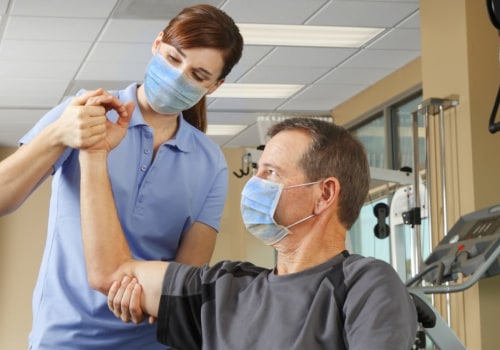
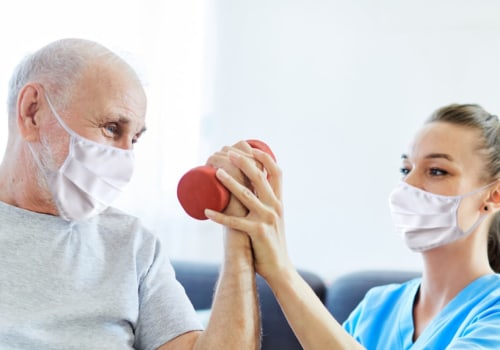
- Physical Therapy (PT) : This type of rehab focuses on restoring movement and function to individuals recovering from injuries, surgeries, or chronic conditions. Physical therapists use exercises, manual therapy, and modalities like heat or cold therapy to alleviate pain and improve mobility.
- Occupational Therapy (OT) : Occupational therapy helps individuals regain the skills needed for daily living and working. This may include assistance with fine motor skills, cognitive rehabilitation, and adapting environments to enhance independence.
- Substance Abuse Treatment : Programs designed for those struggling with addiction often include detoxification, counseling, and support groups.
These programs can be inpatient or outpatient and focus on helping individuals understand their addiction, develop coping strategies, and build a support network.
- Speech Therapy : This type of rehabilitation is aimed at individuals who have communication or swallowing difficulties due to injury, illness, or developmental disorders. Speech-language pathologists work with clients to improve their speech clarity, language skills, and swallowing functions.
- Cardiac Rehabilitation : For individuals recovering from heart-related issues such as heart attacks or surgeries, cardiac rehab provides a structured program that includes exercise training, education on heart-healthy living, and counseling to reduce stress.
- Neurological Rehabilitation : This program is designed for individuals recovering from neurological conditions such as stroke, traumatic brain injury, or multiple sclerosis. It focuses on improving cognitive function, mobility, and daily living skills through specialized therapies.
- Pediatric Rehabilitation : Tailored for children with developmental delays or disabilities, pediatric rehab programs address physical, occupational, and speech therapy needs in a supportive environment that encourages growth and development.
Challenges in Rehabilitation
Rehabilitation, while a vital process for recovery and reintegration, is not without its challenges.Understanding these obstacles in rehab can help individuals and their families prepare for the journey ahead. Here are some common challenges faced during rehabilitation:
- Emotional Resistance: Many individuals entering rehab may struggle with feelings of denial, shame, or fear. This emotional resistance can hinder their willingness to engage fully in the rehabilitation process. Overcoming these feelings often requires time, patience, and support from professionals and loved ones.
- Physical Limitations: For those recovering from physical injuries or surgeries, the path to rehabilitation can be physically demanding.
Pain, fatigue, and limited mobility can create significant barriers to progress. Tailored physical therapy programs are essential to address these limitations effectively.
- Co-occurring Disorders: Many individuals in rehab may also face mental health issues such as depression or anxiety. These co-occurring disorders can complicate the rehabilitation process, making it crucial for treatment plans to address both physical and mental health needs simultaneously.
- Lack of Support Systems: A strong support network is vital for successful rehabilitation. Individuals who lack supportive family or friends may find it more challenging to stay motivated and committed to their recovery goals.
Building a community of support through group therapy or peer support programs can be beneficial.
- Relapse Triggers: The risk of relapse is a significant concern in rehabilitation, particularly for those recovering from substance abuse. Identifying and managing triggers—such as stress, social situations, or environmental cues—is essential for long-term success.
- Financial Constraints: The cost of rehabilitation services can be a barrier for many individuals seeking help. Insurance coverage varies widely, and some may find themselves unable to afford necessary treatments. Exploring financial assistance options or sliding scale programs can help alleviate this burden.
By acknowledging potential obstacles and preparing strategies to overcome them, individuals can enhance their chances of achieving lasting recovery and reintegration into society.
Success Stories: The Impact of Rehabilitation
Rehabilitation is a powerful process that can transform lives, and numerous success stories illustrate its profound impact across various contexts. These narratives not only inspire hope but also highlight the effectiveness of rehabilitation in helping individuals reclaim their lives.Overcoming Addiction
One of the most compelling areas where rehabilitation has made a significant difference is in addiction recovery. Take the story of John , a former substance abuser who struggled with addiction for over a decade. After multiple failed attempts to quit on his own, John entered a comprehensive rehab program that included therapy, support groups, and life skills training.Through this structured environment, he learned coping mechanisms and developed a strong support network. Today, John has been sober for five years and is an advocate for others seeking recovery, demonstrating that with the right support, change is possible.
Physical Rehabilitation
Physical rehabilitation also showcases remarkable success stories. Consider Maria , who suffered a severe spinal injury in a car accident. Initially told she might never walk again, Maria committed to an intensive rehab program that included physical therapy and adaptive training.With determination and the guidance of skilled therapists, she gradually regained her mobility. Now, Maria not only walks but also participates in marathons, inspiring others with her resilience and tenacity.
Reintegration into Society
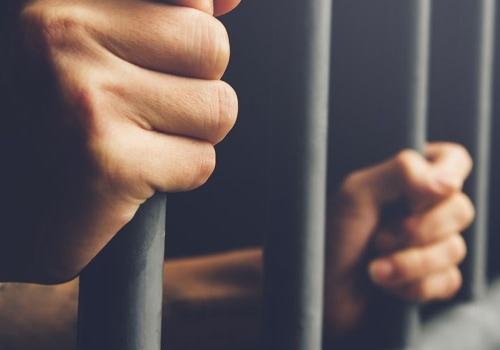
Rehabilitation extends beyond physical and substance recovery; it also plays a crucial role in reintegrating individuals into society after incarceration. David , who spent several years in prison for non-violent offenses, participated in a rehabilitation program focused on education and job readiness. Upon his release, he secured employment and has since become a mentor for at-risk youth, proving that rehabilitation can lead to positive societal contributions.The Power of Community Support
These success stories underscore the importance of community support in the rehabilitation process.Whether through family involvement, peer support groups, or professional guidance, having a robust support system can significantly enhance outcomes. The positive effects of rehab are not just limited to individual recovery; they ripple outwards, fostering healthier communities. In conclusion, the impact of rehabilitation is profound and far-reaching. The stories of individuals like John, Maria, and David serve as powerful reminders that with dedication and the right resources, transformation is achievable. These narratives inspire hope and demonstrate that rehabilitation can lead to fulfilling lives filled with purpose and connection.
Frequently Asked Questions about Rehabilitation
Rehabilitation is a multifaceted process that often raises numerous questions and misconceptions.Below, we address some of the most frequently asked questions about rehab to provide clarity and understanding.
What is the primary goal of rehabilitation?
The main objective of rehabilitation is to restore individuals to their optimal level of functioning after an illness, injury, or addiction. This can involve physical, emotional, and social aspects, aiming to enhance quality of life and promote independence.Is rehabilitation only for people with substance abuse issues?
No, while rehab is commonly associated with substance abuse treatment, it encompasses a wide range of services for various conditions. This includes physical rehabilitation for injuries, occupational therapy for work-related issues, and even psychological rehabilitation for mental health disorders.How long does rehabilitation typically take?
The duration of rehabilitation varies significantly based on the individual’s needs, the type of condition being treated, and the specific goals set during the process. Some may require only a few weeks, while others might need several months or even years of ongoing support.Are there different types of rehabilitation?
- Physical Rehabilitation: Focuses on restoring physical function through exercises and therapies.
- Occupational Rehabilitation: Aims to help individuals regain skills necessary for daily living and work.
- Mental Health Rehabilitation: Provides support for those dealing with psychological issues through therapy and counseling.
- Substance Abuse Rehabilitation: Offers treatment programs designed to help individuals overcome addiction.
What are some common myths about rehabilitation?
- Myth 1: Rehabilitation is a one-size-fits-all solution.
This is false; effective rehab programs are tailored to meet individual needs.
- Myth 2: Once you complete rehab, you are completely cured. Recovery is an ongoing process that may require continued support.
- Myth 3: Rehabilitation is only for those who have hit rock bottom. Many people seek rehab proactively to improve their health and well-being.
Conclusion: The Future of Rehabilitation
As we reflect on the multifaceted nature of rehabilitation, it becomes clear that this process is not merely a means to an end but a vital journey towards recovery and reintegration.Throughout this article, we have explored various dimensions of rehab, from its application in healthcare to its role in criminal justice and beyond. Each context highlights the importance of tailored approaches that address individual needs and circumstances. One of the key takeaways is the significance of a holistic approach to rehabilitation. This involves not only addressing physical ailments or behavioral issues but also considering emotional and psychological well-being. For instance, in medical rehabilitation, integrating physical therapy with mental health support can lead to more effective outcomes for patients recovering from serious injuries or surgeries. In the realm of criminal justice, the future of rehab appears promising yet challenging.
As society increasingly recognizes the value of rehabilitation over punishment, there is a growing emphasis on programs that equip offenders with essential life skills, education, and job training. This shift not only aids in reducing recidivism rates but also fosters a sense of community and belonging among individuals who have previously faced societal rejection. Looking ahead, technology is poised to play a transformative role in rehabilitation practices. Innovations such as telehealth services, virtual reality therapy, and data analytics can enhance accessibility and personalization in treatment plans. These advancements can help bridge gaps for those who may have previously faced barriers to receiving adequate care. Moreover, as we continue to understand the complexities of addiction and mental health disorders, there is an increasing need for integrated treatment models that address co-occurring conditions.
This comprehensive approach can lead to more sustainable recovery outcomes and empower individuals to reclaim their lives. In conclusion, the future of rehabilitation holds great potential for fostering resilience and promoting healing across various sectors. By embracing innovative practices and prioritizing individualized care, we can create pathways for individuals to thrive, ultimately benefiting society as a whole. As we move forward, it is essential to remain committed to exploring new methodologies and advocating for policies that support effective rehabilitation efforts.